The Zero-to-Hero Recognition Program Guide
September 9, 2025, In Employee Engagement
Unfiltered Reality
Here’s what most HR professionals don’t realize: while 90% of companies have a recognition program, only 18% say it truly works – meaning more than 8 out of 10 aren’t reaching their full potential. Not because the intention is wrong, but because programs are designed in boardrooms rather than within real teams.
Sabryna Giguère, HR Consultant from Dessercom Emergency Services cracked the code. In a Canadian company spread across Quebec with 1,200 employees working around the clock in life-or-death situations, she built something that:
- boosted engagement by 18%,
- improved manager-employee relationships by 24%,
- and skyrocketed recognition scores by 27%.
The secret? She started with a question – not a solution.
Inside this guide:
- 5 Steps Toward a Recognition Culture That Actually Work
- The challenges you’ll face (and how to win)
- The S2P2 formula that changes everything
- Your implementation roadmap
- The non-negotiables
- The Importance of a Strategic Partnership
- Sabryna’s Ultimate Advice for Getting Started
- The future of recognition: what’s coming next
- Your next move
5 Steps Toward a Recognition Culture That Actually Work
When we sat down with Sabryna, we asked her: What are the key steps you follow to successfully integrate recognition at Dessercom? Here’s what she shared:

Step 1: Research Like Your Program Depends On It
(Because it does)
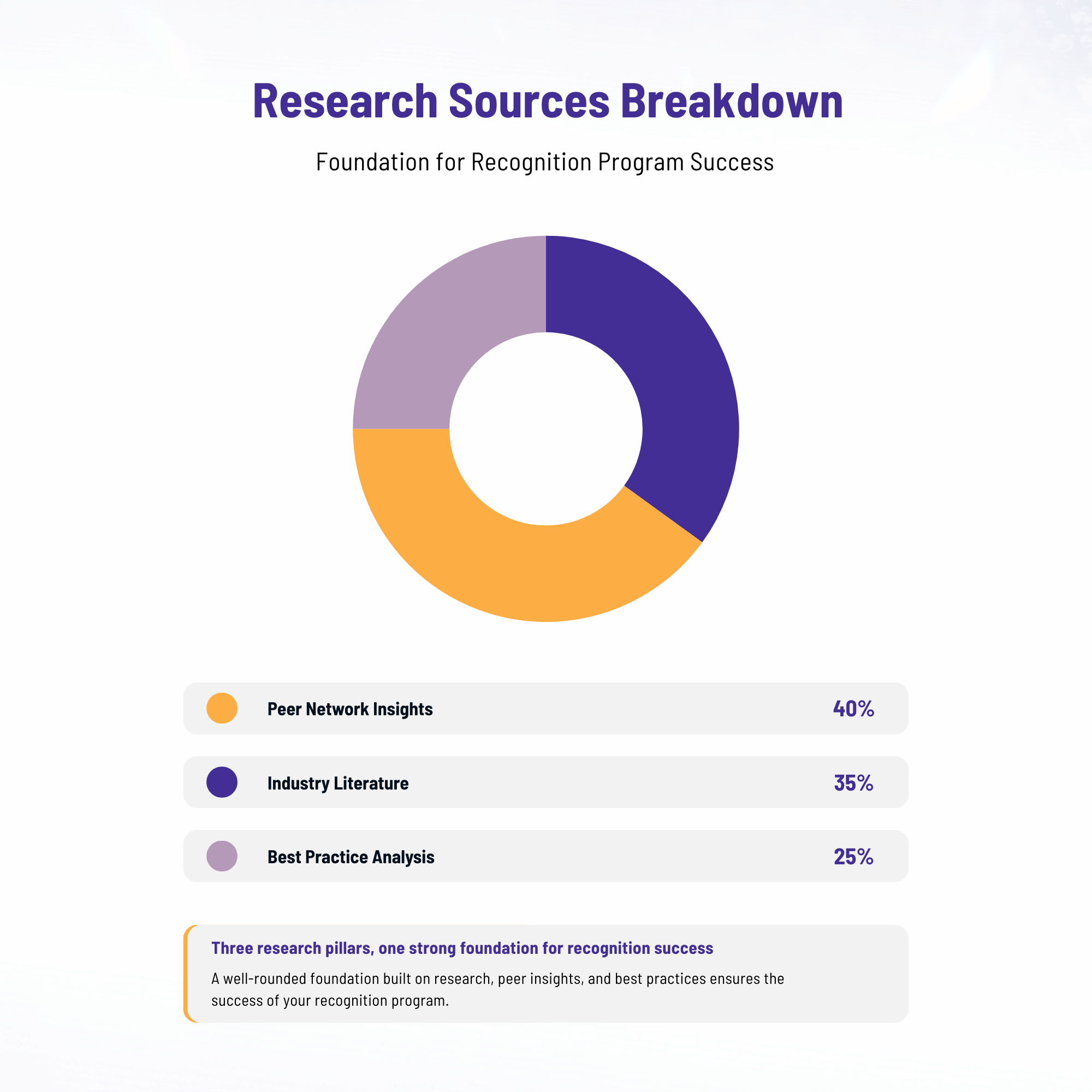
Before writing a single policy, Sabryna consumed everything:
- Podcasts, videos, industry reports
- Network conversations across industries (tech, manufacturing, healthcare)
Why this matters: You’re not reinventing the wheel. You’re customizing it.
Step 2: The Game-Changer Question
Invite your people into the design process
Dessercom sent this question to 884 employees:
“How can Dessercom better recognize your daily work?”
Not “What rewards do you want?” or “How should we celebrate?”
The magic is in the specificity. This question uncovers the how, not just the what.
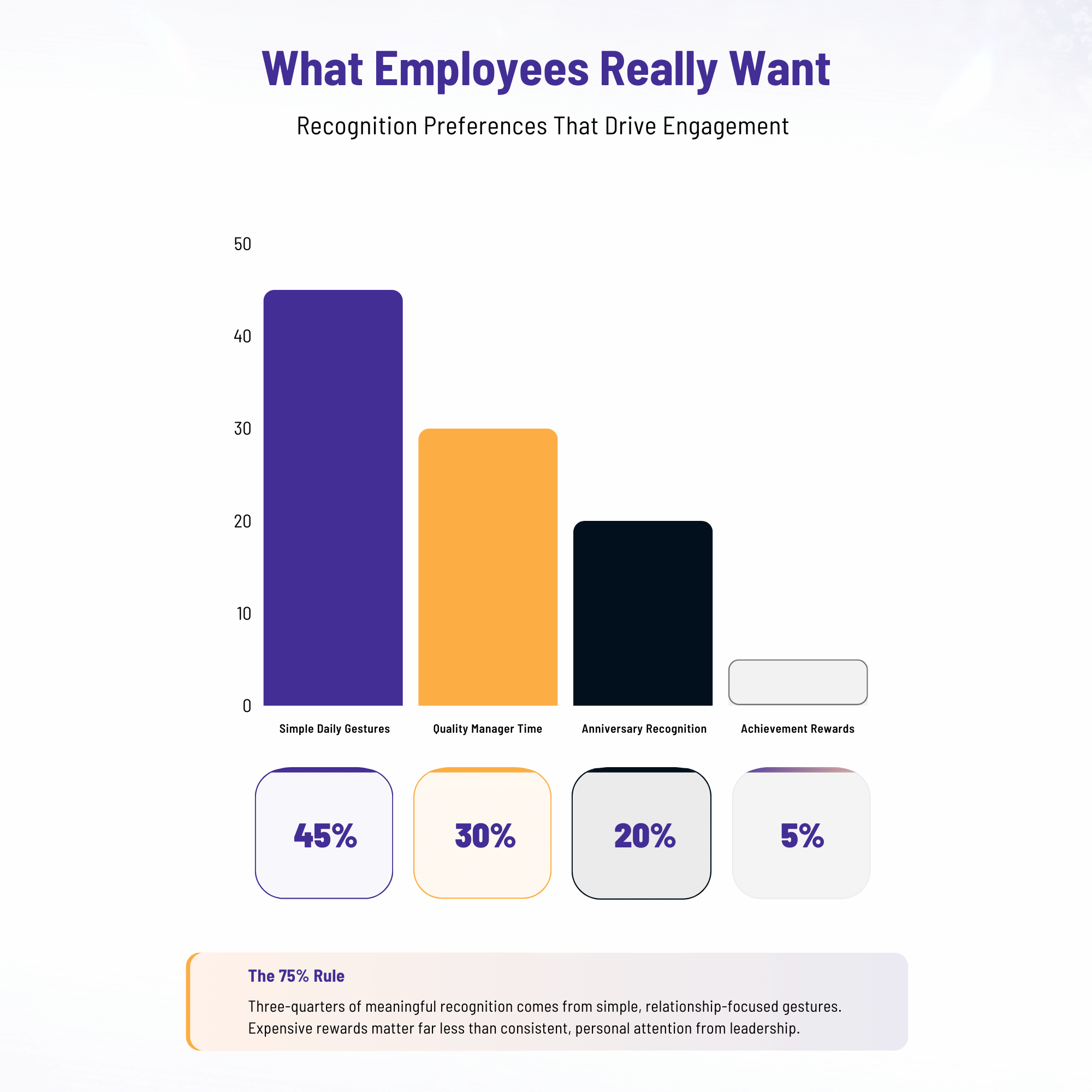
Their discoveries:
- Simple gestures matter most – a pat on the back, coffee, muffins
- Quality time with managers beats fancy rewards
- Professional anniversaries need celebration (especially in a place where 35-year careers are common)
- Corporate swag creates belonging when tied to achievements
Step 3: Analyze Like a Detective
Creating expectations means you better deliver
The analysis revealed something profound: recognition isn’t about the size of the gesture, it’s about the timing and personalization.
Step 4: Design Your Recognition Ecosystem
One size fits nobody
Dessercom built a multi-layered approach:
The Foundation: Manager Training
- Orange Program: 6-week asynchronous training
- Theory + Practice: Weekly challenges to build the “recognition muscle”
- Emergency-proof: Paramedics can pause for calls and resume seamlessly
The Platform: Strategic Integration
- Organizational portal: Where employees already go for expenses, documents
- Smart placement: Recognition lives where people naturally visit
- Peer-to-peer recognition: Not just top-down anymore
The Celebration Spectrum:
- Monthly: “Happiness Budget” per employee per quarter
- Milestone: Anniversary celebrations (1, 3, 5, 7, 10+ years)
- Special Moments: Births, retirements, achievements
- Annual: Company-wide celebration + formal gala
The Retirement Ritual:
Dessercom has a special code when paramedics retire, “Code 10-89” is their final radio call. The ceremony includes:
- Sirens, applause, honor guards
- Personalized approach: Intimate team gathering OR full community celebration
- Social media spotlight videos
Step 5: Measure What Matters
Numbers don’t lie.
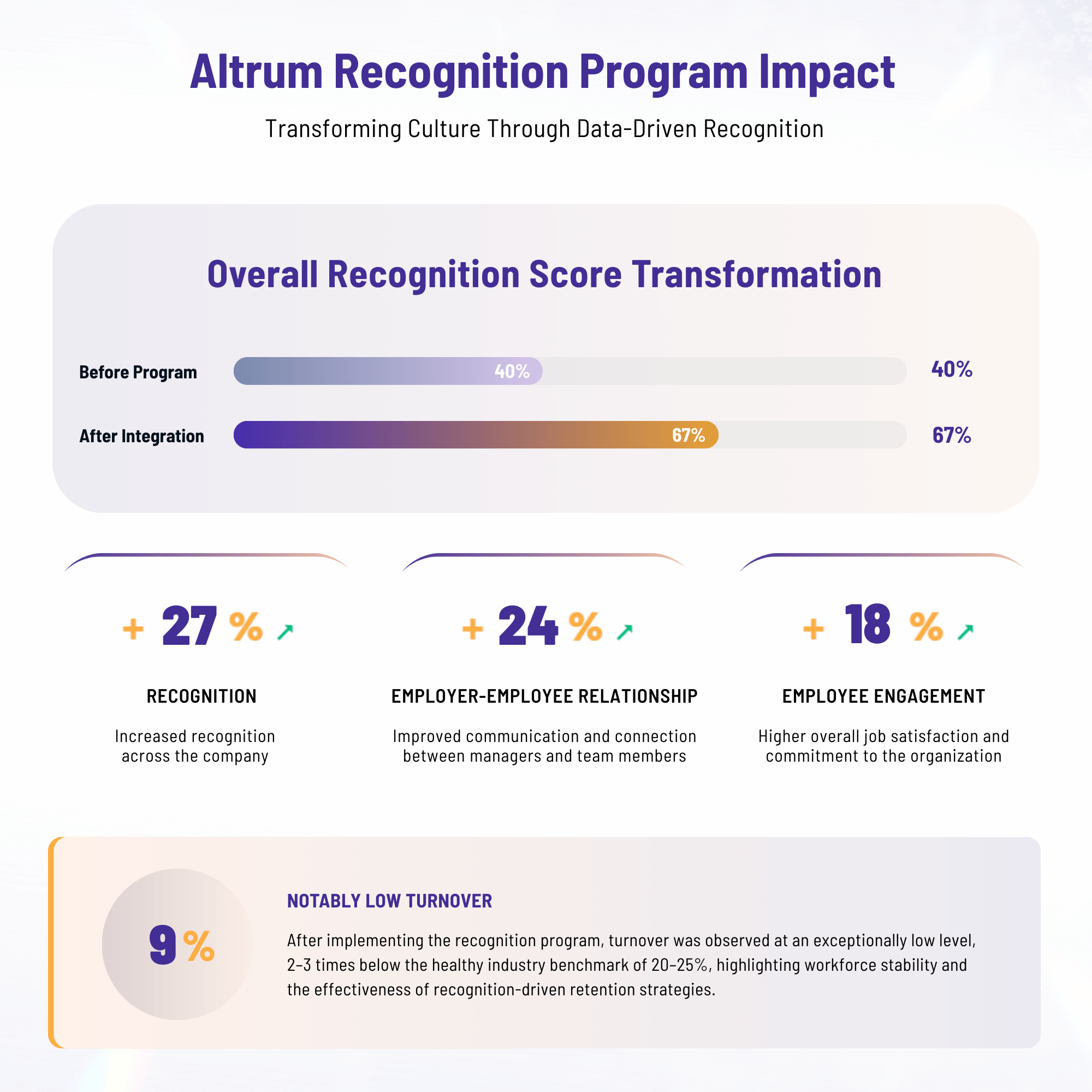
The Results Speak:
- Recognition scores: +27%
- Manager-employee relationships: +24%
- Overall engagement: +18%
But here’s what the numbers don’t capture:
- Peer recognition exploded organically
- Employee-to-employer gratitude became common
- Recognition became bidirectional – employees thanking leadership
The Challenges You’ll Face (And How to Win)

Challenge 1: Geographic Reality
When your team is everywhere
The Problem: 39 service points across Quebec, 24/7 operations
The Solution: Digital-first recognition with in-person touches when possible
Challenge 2: Operational Culture Resistance
“We don’t have time for HR fluff”
The Problem: 50+ years without formal HR, operations-focused mindset
The Solution: Prove impact through engagement metrics that translate to operational performance
Challenge 3: Innovation Skepticism
“Why can’t we just do it the old way?”
The Problem: Custom program vs. conventional approaches
The Solution: Let results do the talking
Learn recognition principles with our manager program.
The S2P2 Formula That Changes Everything

Sincere + Spontaneous + Precise + Personalized = Recognition That Sticks
This isn’t just a catchy acronym. It’s the difference between recognition that gets forgotten and recognition that gets remembered for years.
- Sincere: Mean it or don’t say it
- Spontaneous: Strike while the moment is hot
- Precise: “Good job” vs. “Your patient care during that 4-car accident saved two lives”
- Personalized: Know if they want applause or a quiet thank you
Create a culture where employees feel seen, heard, and valued.
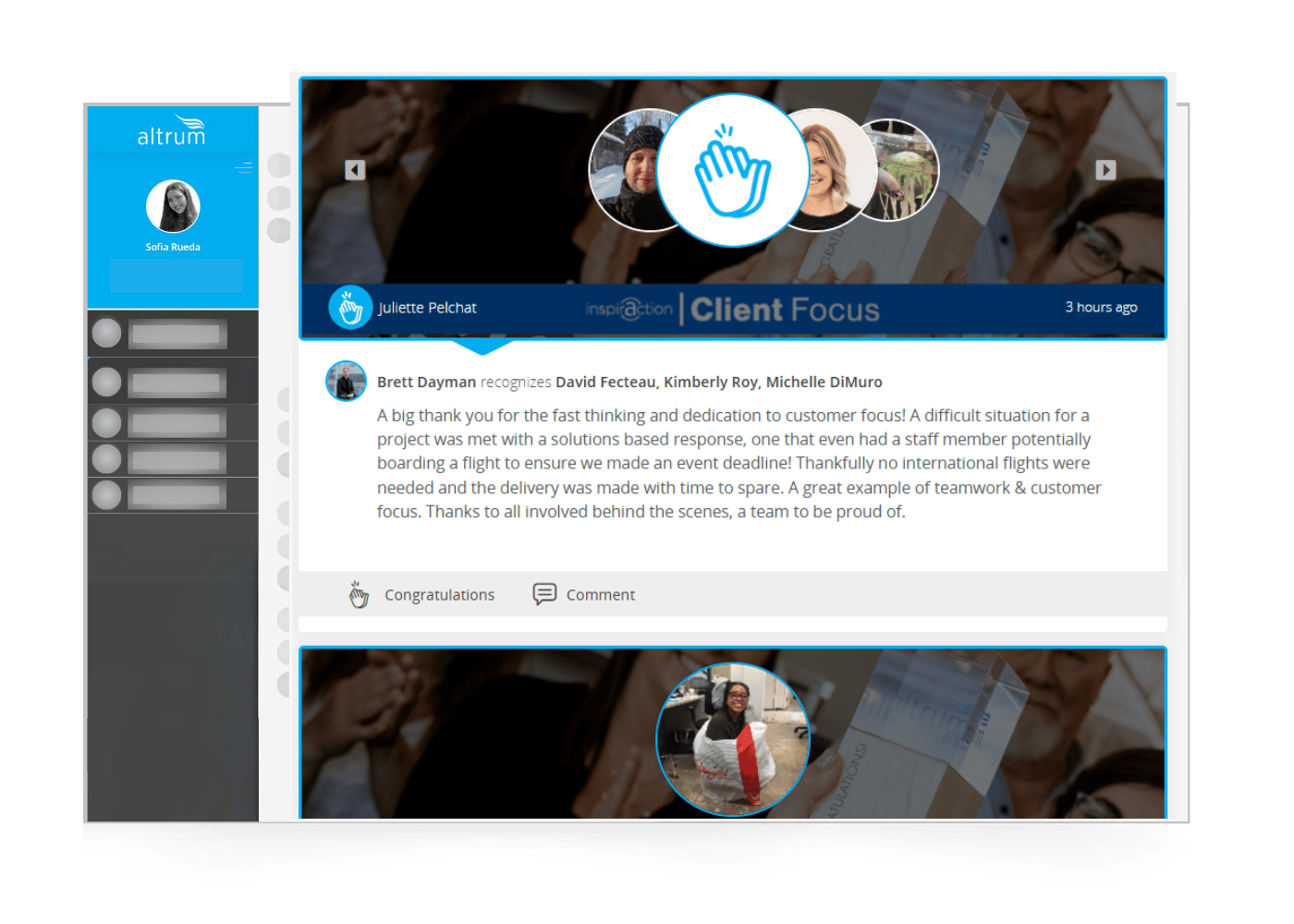
Boost team morale with our recognition wall.
Your Implementation Roadmap

Transforming Culture Through Data-Driven Recognition
For best results, engage all team leaders and at least one additional person to support you. A healthy culture is built as a team, not through a single pillar.
Months 1-2: Research & Listen
- Map current informal recognition practices
- Survey your team: “How can our organization better recognize your daily work?”
- Interview HR professionals from your network
- Optional: Read Bob Nelson’s recognition book
Months 3-4: Design & Partner
- Analyze survey results for key themes
- Identify behaviors you want to reinforce aligned with your organizational mission
- Choose training partner
- Design recognition levels and criteria
Months 5-6: Train & Launch
- Train all managers with a structured program
- Soft launch recognition platform and processes
- Create recognition integration points
- Document processes and create manager toolkits
Months 7-12: Optimize & Scale
- Gather feedback monthly through surveys
- Adjust programs based on usage data and employee input
- Celebrate early wins publicly through internal channels
- Launch peer-to-peer recognition initiatives
- Plan formal recognition events
Year 2+: Sustain & Evolve
- Continue manager training for new hires
- Measure impact through organizational surveys
- Evolve toward personalized recognition
Clear journey: Research → Engagement → Analysis → Design → Measurement & Adjust
Want the full step-by-step program to keep, with some extra snippets to explore? Download it for free. ↓
Celebrating Milestones at Dessercom: The Art of Turning Recognition into an Exceptional Experience
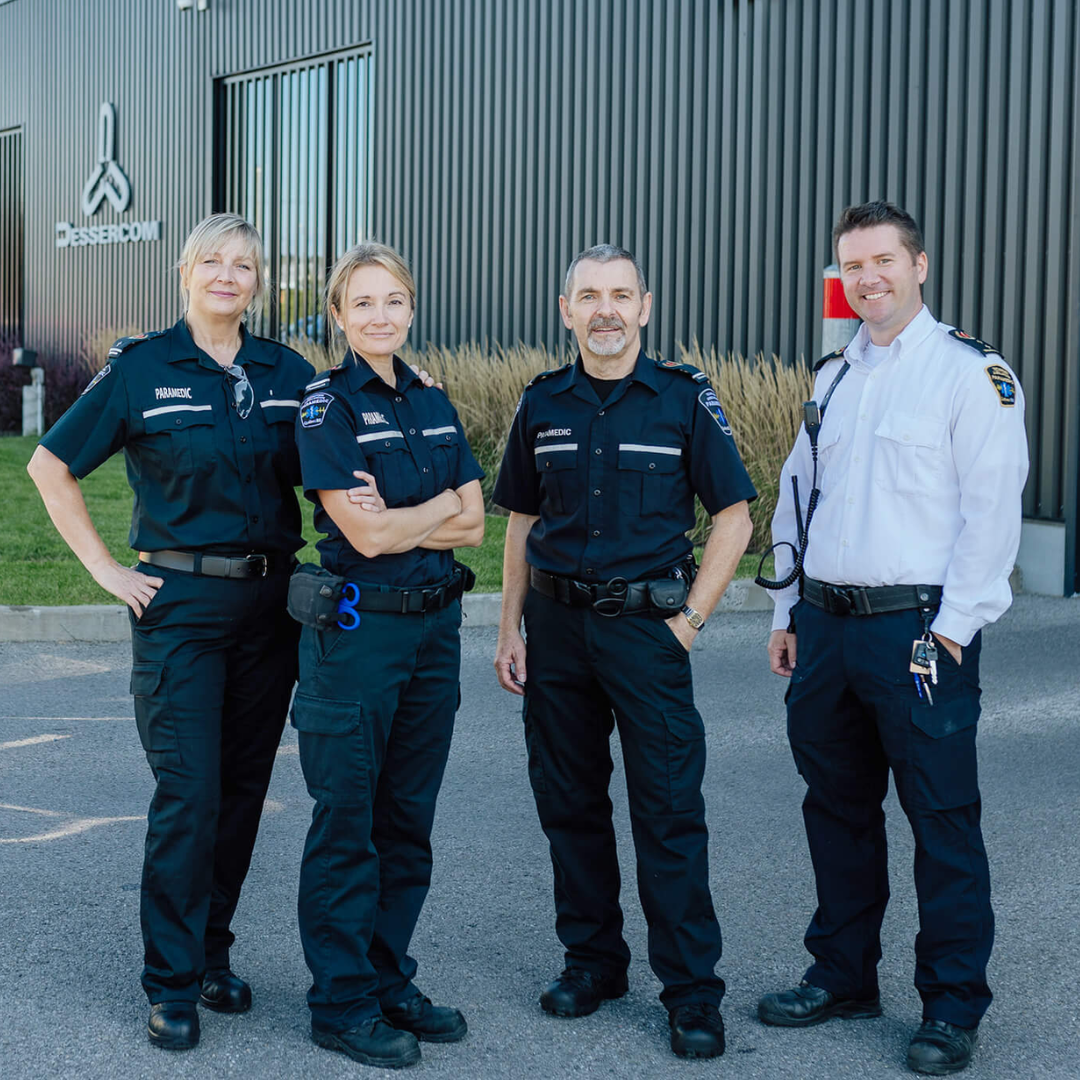
Dessercom, an organization specializing in pre-hospital emergency care and non-urgent medical transport, set out to enhance the employee experience by offering a stimulating career journey from day one.
To achieve this, they decided to train their managers in the daily practice of recognition and to introduce a gift program that celebrates work anniversaries starting in the very first year. To bring this to life, they launched the Celebration platform, which allows employees to choose a personalized gift from an online store that reflects the company’s brand—making milestone celebrations truly meaningful.
“There’s a wide variety of options on the platform. Whether it’s experiences, a spa day, or buying a watch, it’s really diverse and speaks to everyone’s interests,” shared Sabryna G., HR Professional at Dessercom.
By using Celebration, the HR team also benefits from a turnkey solution that manages everything from the invitation to the delivery of the gift. A win-win for everyone.
Explore our Microsoft Teams-integrated wall.
The Non-Negotiables

1. Make It Sustainable
Don’t build something that requires you to be Superman. Create systems that work when you’re not there.
2. Start Small, Think Big
Launch with one solid initiative. Perfect it. Then expand.
3. Measure Everything
Without metrics, you’re just hoping. With them, you’re proving.
4. Give Permission to Fail
Recognition is a skill that improves with practice. Create psychological safety around imperfect attempts.
Boost engagement with our online manager training.
The Importance of a Strategic Partnership
Want your recognition program to truly work? Sometimes, good intentions and Excel spreadsheets aren’t enough. That’s where external expertise becomes essential.
Sabryna recommends partnering with specialized firms like Altrum – not just for tools, but for guidance in designing, implementing, and monitoring your program. It’s like putting on the right running shoes before a race: you could run barefoot, but with the right shoes, you’ll go further, faster, and most importantly, avoid injuries.
With this kind of partnership, you:
- Gain access to proven, flexible solutions tailored to your organization.
- Receive personalized support for both managers and employees.
- Save time, reduce the risk of errors, and maximize the impact of your initiatives.
💡 Tip: An external partner doesn’t override your culture – it amplifies it. They help you turn your ideas into concrete, lasting actions.
Sabryna’s Ultimate Advice for Getting Started
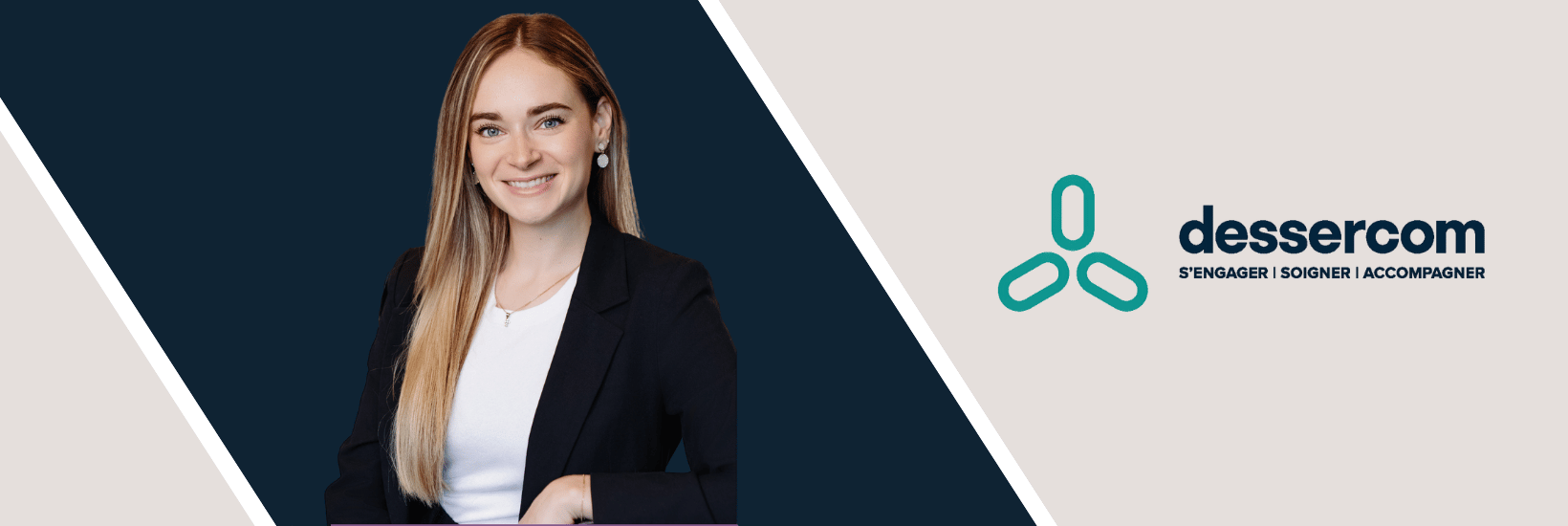
Sabryna’s most valuable piece of advice can be summed up like this: get to know your team before building your program.
Involve employees in defining what really matters: What actions do they want to see recognized? What gestures feel meaningful?
Identify the key behaviors that reflect your organizational values – and reinforce them through recognition.
Most importantly, just start. Recognition is like a muscle: the more you practice, the more natural it becomes. Mistakes will happen, and that’s okay-they’re part of the learning process.
To guide your efforts, Sabryna recommends the S2P2 formula we mentioned before:
- Sincere: recognition must be authentic and heartfelt.
- Spontaneous: it should happen at the right moment, not three months later.
- Specific: clearly state why you’re recognizing the action.
- Personalized: take into account each employee’s preferences and style.
💡 The result: when this approach becomes second nature, recognition stops being a one-off event and turns into a living culture—one that strengthens motivation, engagement, and belonging every day.
The future of recognition: what’s coming next

We asked Sabryna for her point of view on emerging trends in the workplace. As an HR professional, she gets to see firsthand which trends are actually making an impact. Here’s what she shared:
- Trend 1: Hyper-Personalization
The “watch for 25 years of service” approach is dead. Recognition profiles in HR systems will track:
-
- Preferred recognition style (public/private)
- Meaningful reward categories
- Optimal moments for appreciation
- Communication preferences
- Trend 2: Community-Impact Integration
Dessercom added a brilliant twist: points can be donated to charities. Instead of just corporate swag, employees can choose:
-
- Heart-disease foundations
- Suicide-prevention organizations
- Local community causes
Why it works: Recognition that creates meaning beyond the individual fosters deeper engagement.
- Trend 3: Manager Recognition
-
- The often-forgotten group. Being a manager in 2025 is complex, isolating, and often thankless. Programs need dedicated initiatives to appreciate managers.
- Trend 4: Tech-Enabled Recognition
-
- AI-powered recognition suggestions
- Integrated HR system recognition profiles
- Real-time feedback loops
- Peer-to-peer recognition automation
Start celebrating moments now.
Your Next Action

Recognition isn’t an HR initiative. It’s a business strategy.
Start with Sabryna’s magic question. Send it to your team this week. Not next month. This week.
Because somewhere in your organization, someone just did something worth celebrating. And they’re wondering if anyone noticed.
The question isn’t whether you can afford to build a recognition program.
The question is whether you can afford not to.

The Author

Sofia Rueda
Marketing Project Manager
An advocate and contributor to the employee wellness sector since 2018. Sofia became part of Altrum sharing in its commitment to inspire and celebrate individuals. Her dedication extends far beyond the workplace, as she strives to positively impact the well-being of employees through her expertise.