5 Ways to Reenergize Disengaged Employees
April 17, 2026, In Employee Engagement
Disengagement rarely shows up all at once.
It builds quietly. Meetings feel heavier. Participation drops. Energy fades in ways that are hard to measure but easy to feel.
And yet, many organizations respond with large, complex initiatives, new platforms, major programs, expensive perks.
But often, what people need is much simpler.
Small, consistent shifts in how teams connect, communicate, and feel seen can reset the tone of an entire organization. The following five approaches focus less on grand gestures and more on everyday moments that shape how work actually feels.
Too Long; Didn’t Read:
| The problem | The cause | The solution |
| Engagement slowly declines without being immediately visible | Lack of human connection and overly task-focused interactions | Create regular, informal spaces for connection |
| Employees don’t share frustrations or ideas | Limited opportunities for real individual input | Hold consistent 1:1 conversations focused on listening, not just updates |
| Culture becomes unclear or inconsistent over time | No regular moments to reinforce it | Establish recurring touchpoints to maintain team culture |
Make Space for Connection That Isn’t About Work

Not every interaction needs an agenda.
Creating a recurring space where employees can connect without pressure to perform can have a surprisingly strong impact. A short weekly virtual session, optional and informal, gives people room to show up as themselves.
No updates. No deliverables. Just conversation.
These moments rebuild something that often disappears in fast-moving environments: natural connection. Over time, they reduce friction, make collaboration smoother, and remind people they are part of a team, not just a workflow.
Listen More Intentionally, One Person at a Time

Group surveys have their place, but they rarely replace direct conversations.
Regular one-on-one meetings create a different kind of signal. When done well, they are not status updates disguised as check-ins. They are opportunities to understand what is working, what is frustrating, and what is being left unsaid.
The value is not only in what gets shared, but in the act of asking.
Employees who feel heard tend to stay engaged longer. They are also more likely to surface issues early, before they become larger problems.
Consistency matters here. One meaningful conversation can help. A pattern of them builds trust.
Recognize Small Wins While They’re Still Small
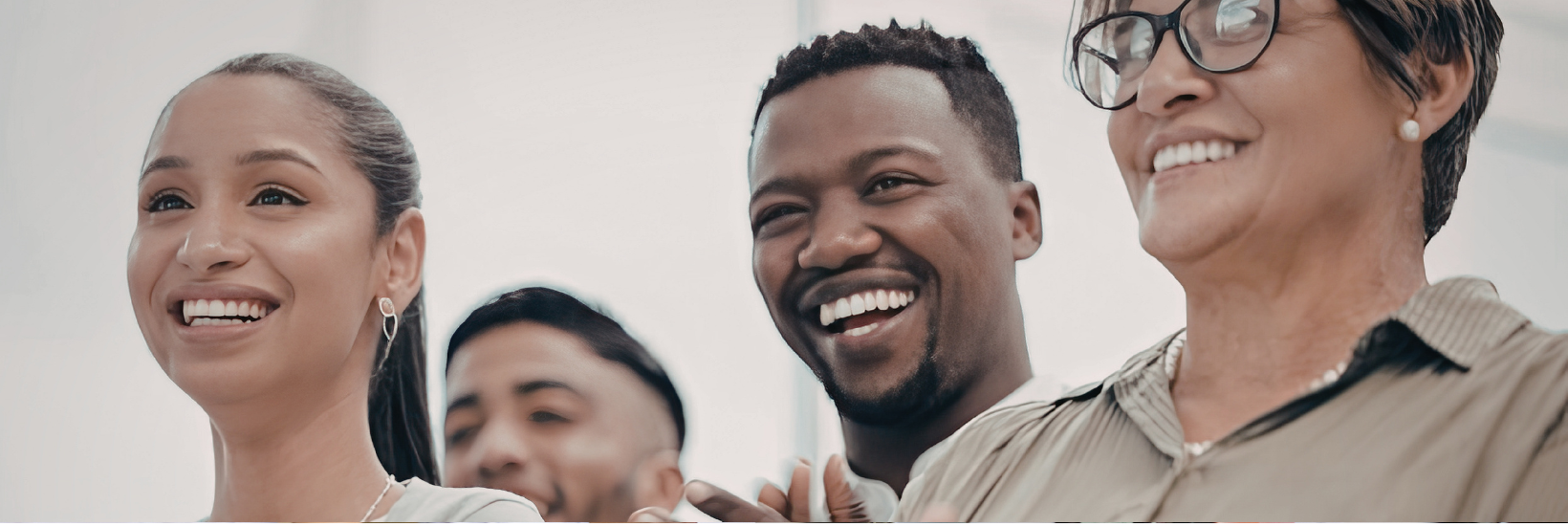
Waiting for major milestones to celebrate misses most of the work that actually drives progress.
Momentum is built in smaller moments: a problem solved quickly, a thoughtful collaboration, an extra step taken without being asked. When those moments are acknowledged, they reinforce the behaviors that teams rely on every day.
Recognition does not need to be formal or expensive. In many cases, it is as simple as calling something out in real time, in front of the right people.
Over time, this creates a shift. People begin to notice more, share more, and repeat what is valued.
Discover the Orange Program: Managers play a key role in re-energizing teams through everyday interactions. This training helps leaders turn recognition into a daily driver of engagement.
Pay Attention to Signals Before Disengagement Sets In

By the time disengagement becomes visible, it has usually been building for a while.
Subtle changes often come first: reduced participation, delayed responses, less initiative. These signals are easy to overlook when teams are busy.
Some organizations take a more proactive approach by looking at patterns, communication styles, workload distribution, even personality dynamics, to better understand where friction might appear.
The goal is not to label individuals. It is to create awareness.
When managers can spot early shifts, they can step in with the right level of support, before disengagement becomes difficult to reverse.
Revisit Culture Regularly, Not Occasionally

Culture is not something that holds its shape on its own.
Without regular attention, it drifts.
Monthly moments dedicated to team connection, whether through workshops, informal sessions, or collaborative activities, create a rhythm. They offer a pause to reflect, reset, and reconnect.
These sessions do not need to be complex. What matters is that they are intentional and consistent.
They signal that culture is not an afterthought. It is part of how the organization operates.
A Final Thought

Re-engaging teams does not always require new systems or significant investment.
It requires attention.
Attention to how people connect.
Attention to how they are recognized.
Attention to what they experience day to day.
When that attention is consistent, engagement tends to follow.
Not as a sudden shift, but as a gradual return of energy, clarity, and willingness to contribute.
And that is what most teams are looking for.

FAQ
Q1: Why does employee disengagement happen gradually?
Disengagement rarely appears overnight. It builds through repeated small experiences, lack of recognition, limited connection, or feeling unheard. Over time, these accumulate and impact motivation.
Q2: Do companies need a large budget to improve engagement?
No. Many effective actions, like regular check-ins, informal connection spaces, or recognizing small wins, require consistency more than budget.
Q3: How can managers detect disengagement early?
By paying attention to subtle shifts: lower participation, delayed responses, or reduced initiative. These early signals often appear before disengagement becomes obvious.
Q4: Why is recognizing small wins important?
Because most of the work happens between major milestones. Recognizing small contributions reinforces positive behaviors and keeps momentum going.
Q5: How often should teams invest time in culture-building activities?
Regularly. Monthly touchpoints are often enough to maintain alignment and connection without overwhelming teams. Consistency matters more than scale.
The Author

Sofia Rueda
Marketing Project Manager
An advocate and contributor to the employee wellness sector since 2018. Sofia became part of Altrum sharing in its commitment to inspire and celebrate individuals. Her dedication extends far beyond the workplace, as she strives to positively impact the well-being of employees through her expertise.