Peer Recognition in Manufacturing: The Lever That Transforms a Program into a True Culture
July 11, 2026, In Employee Engagement
Recognition programs in manufacturing have a blind spot
Every day, in a plant, employees witness their colleagues doing remarkable things: helping a new hire find their footing, staying after their shift to finish an urgent order, stepping in to prevent an incident, or spontaneously sharing their expertise.
Yet in most organizations, these gestures go unnoticed.
Why? Because the only person who officially has the role of recognizing is usually the manager.
This is paradoxical. In a manufacturing environment, colleagues are often the ones who observe exemplary behaviours the most. Yet they are absent from most recognition programs.
And this is probably one of the reasons why so many organizations invest in recognition without managing to create a true culture.
Because there is a fundamental difference between a recognition program and a recognition culture.
A program organizes moments of recognition. A culture makes recognizing others a collective reflex.
TL;DR
| The reality | What it takes | What it changes |
| Only 64% of frontline employees feel valued by their employer | A mechanism accessible to all: bulletin board, paper form, or mobile app | More recognition every day, across all shifts |
| Colleagues see efforts that managers don’t | Clear criteria tied to organizational values | Desired behaviours are reinforced naturally |
| Managers can’t see everything | Managers who lead by example and employees who participate | A lasting culture that no longer depends on one person |
Why Peer Recognition is Still Underused in Manufacturing

For a long time, recognition was conceived as a top-down movement: the manager recognizes their employee, leadership highlights major achievements, and HR orchestrates the programs.
This approach works… up to a point. Because it depends entirely on two things: special occasions orchestrated by HR, and the time, skills, and priorities of managers.
In a plant where supervisors cover multiple teams, where shifts rotate and operations run 24 hours a day, it is impossible for one person to see everything.
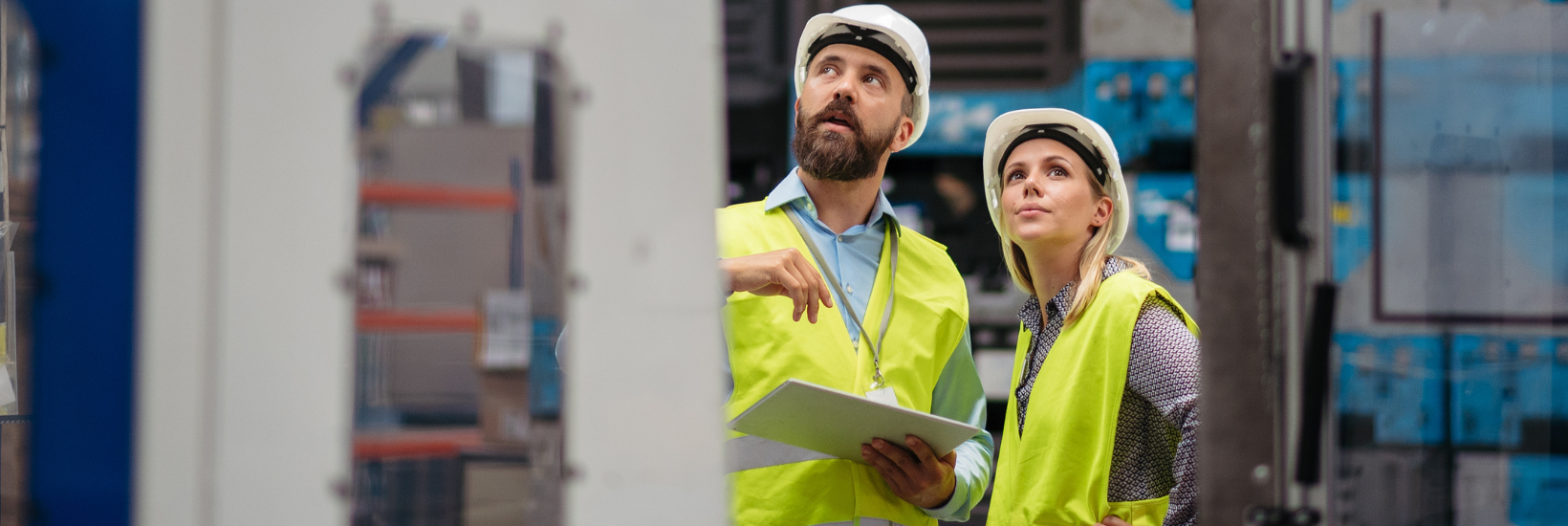
Colleagues, on the other hand, are present. They see the person who spontaneously helps a new coworker, the one who takes the time to share their expertise, or the one who goes out of their way to ensure everyone’s safety.
These micro-contributions shape the daily culture. Without a mechanism allowing employees to recognize them, they quickly disappear into the rhythm of operations.
A program that relies solely on managers inevitably has blind spots. When employees can recognize each other, recognition stops being an individual responsibility and becomes a collective behaviour.
A Recognition Culture Isn’t Measured by the Number of Rewards Given

Many organizations evaluate their recognition program by the number of gifts distributed or the budgets invested. These celebratory moments have their place and play an important role in acknowledging significant contributions or milestone moments in an employee’s journey.
However, an organization can give out 500 rewards a year and still have a weak recognition culture. Conversely, a team where employees naturally take the time to thank each other and acknowledge good work daily already has the foundations of a strong culture.
The question is therefore not only: “How many rewards did we give out this year?” but also: “How many times this week did an employee feel seen, appreciated, and recognized for their contribution?”
A mature recognition culture doesn’t rest solely on a few moments organized by HR or on the giving of rewards. It is also built through dozens of daily micro-recognitions that reinforce expected behaviours, create a sense of belonging, and remind employees that their contribution makes a difference.
Rewards give reach to important moments. Micro-recognitions bring culture to life, day after day. It’s the combination that creates a truly lasting program.
Why Peer Recognition is Particularly Powerful in Manufacturing
It covers operational blind spots
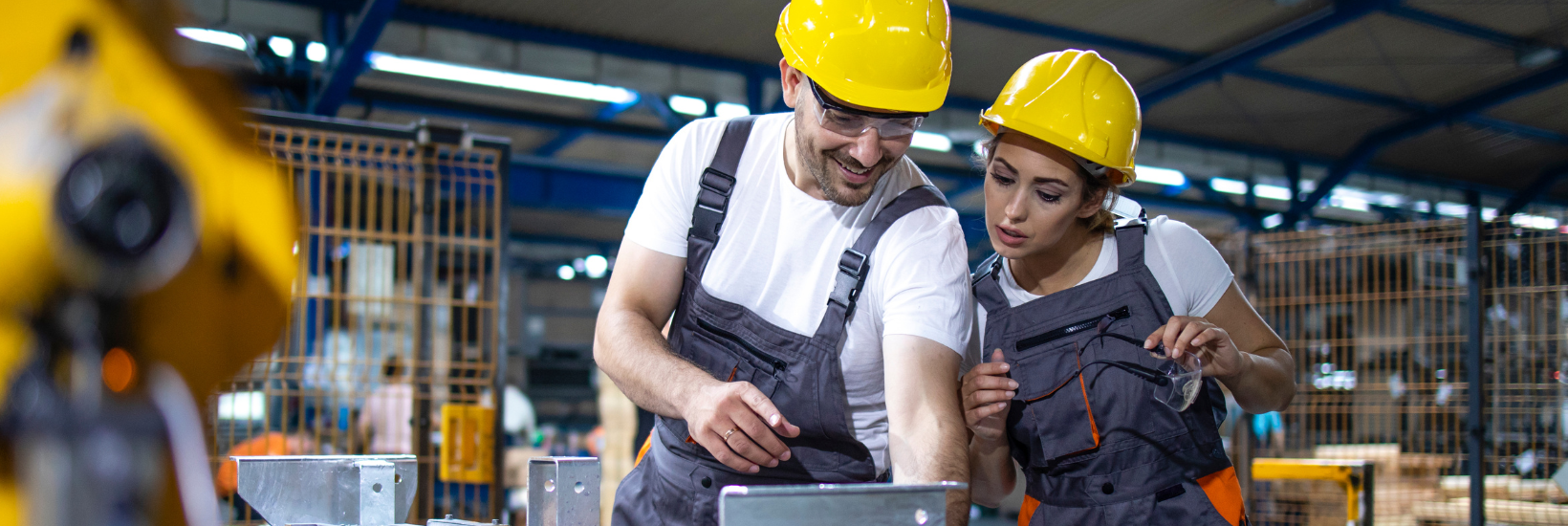
Night shifts, weekends, and multi-site teams make managerial recognition more difficult. Peer recognition ensures that good behaviours are noticed even when the manager isn’t present. Recognition thus becomes continuous rather than occasional.
It reinforces the behaviours that drive organizational performance
When an employee thanks a colleague for following a safety procedure, helping another team, or proposing a continuous improvement, they are not just valuing one person, they are sending a signal to the entire team about which behaviours are worth repeating. Peer recognition, when rooted in organizational values, becomes a far more organic vehicle for culture than any corporate poster.
It makes the culture more resilient
A culture that depends solely on managers remains fragile. A change in supervisor, an overloaded schedule, or a period of intense operational pressure can quickly make recognition practices disappear. Conversely, when employees develop the habit of recognizing their colleagues themselves, the culture continues to exist independently of the people in place.
The Benefits of Peer Recognition for Manufacturing Organizations
Peer recognition is often perceived as an engagement tool. In reality, it is also an operational lever.
- Safety Recognizing safe behaviours encourages their repetition and helps create positive collective norms. Companies with a recognition program focused on health and safety have seen their number of incidents decrease by 37%. A finding confirmed by a University of Colorado study, which reports a 44% reduction in workplace accident rates over two years in companies that implemented safety incentive programs.
- Engagement and retention According to a study by the Manufacturing Institute and the American Psychological Association, manufacturing employees who feel valued are more than four times more likely to report high engagement (59% vs. 13%), four times less likely to feel stressed on a typical workday (16% vs. 66%), and ten times less likely to intend to leave within the year (2% vs. 12%).
- Satisfaction According to SHRM, 90% of employees are more satisfied when peer recognition is rooted in organizational values. Over time, this satisfaction has a direct impact on engagement and turnover.
- Mental health According to the TELUS Mental Health Index Q1 2026, manufacturing workers show a declining mental health score, and frontline employees score lower than their office-based colleagues. That same report reveals that workers who perceive their organizational culture as supportive have a mental health score 20 points higher and lose 28 fewer days of productivity per year. Peer recognition directly contributes to building this culture of support.
. Learn how to build a program that reinforces the right behaviours every day.
How to Implement Peer Recognition in the Manufacturing Sector

Start simple
There is no need to deploy a sophisticated platform. A bulletin board, a thank-you box, or a paper form can be enough to establish the habit. For organizations ready to go further, a recognition platform with a mobile app allows employees to recognize each other in real time, from their personal phone, without requiring access to a computer.
Give clear guidelines
Employees find it easier to recognize their colleagues when they know which behaviours to value. Linking recognitions to organizational values or expected behaviours increases their impact and authenticity.
Briefly train teams
A precise and authentic recognition carries much more weight than a simple “good job.” A few minutes of awareness-raising during a team meeting is often enough to considerably improve the quality of recognitions.
Managers must lead by example
Peer recognition doesn’t replace recognition from managers. It complements it. The former nurtures a sense of belonging; the latter nurtures a sense of progress and accomplishment.
When leaders regularly recognize their teams in a specific and sincere way, they send a clear signal: recognizing others is part of how we work here. Employees then naturally reproduce this behaviour. Training and equipping managers to offer effective recognition therefore remains essential, not only for the direct impact they have on their teams, but also for the ripple effect they create across the entire culture.
In Summary
For years, we believed that recognition was primarily a management responsibility. Yet the strongest cultures don’t rest solely on their leaders. They rest on every member of the organization.
A recognition program creates opportunities to recognize. A recognition culture makes everyone feel responsible for doing it.
And that is probably the difference that explains why some organizations distribute rewards… while others truly succeed in building a strong sense of belonging.
The good news? It is possible to start simply, with few resources, and then progressively evolve practices until recognizing others becomes a reflex shared by the entire organization.

FAQ
Q1: Why is peer recognition particularly effective in manufacturing? Colleagues are often the first to witness each other’s efforts, particularly on night shifts or weekends when managers are less present. When employees recognize each other, recognition becomes a collective reflex that no longer depends solely on manager availability.
Q2: How do you implement a peer recognition program in a plant? The key is to start simple: a dedicated bulletin board, a paper form, or a mobile app. What matters is defining clear criteria tied to organizational values, briefly training employees on how to recognize in a specific and sincere way, and ensuring visibility of recognitions to create a ripple effect.
Q3: What is the impact of peer recognition on employee retention? Peer recognition strengthens the sense of belonging and feeling valued, two factors directly linked to retention. According to a study by the Manufacturing Institute and the American Psychological Association, manufacturing employees who feel valued are ten times less likely to intend to leave within the year (2% vs. 12%), four times more engaged, and four times less likely to feel stressed on a typical workday. By extending recognition beyond managers, peer recognition allows more employees to feel truly seen and value, and therefore to stay.
Q4: Can peer recognition replace manager recognition? No, the two are complementary. Manager recognition remains the most impactful for individual engagement. But peer recognition extends the reach of the program, fills blind spots, and creates a culture where everyone feels responsible for valuing their colleagues’ contributions.
The Author

Alexandra Thibaudeau
Marketing Project Manager
Passionate about the world of communications and marketing, Alexandra joined the Altrum team in 2023 with nearly 8 years of solid experience in the field. She implements innovative strategies and creates customized tools to help companies inspire and celebrate their employees.