Why Your Teams are Tuning Out (And How to Reconnect Them)
August 10, 2025, In Employee Engagement
Work isn’t what it used to be. And honestly? That’s not necessarily a bad thing.
We’re living through what I call the Great Intentional Disconnect – where employees aren’t just quietly quitting, they’re actively redefining what work means to them. Loud quitting, the anti-hustle movement, revenge quitting – these aren’t just trendy phrases. They’re signals. Your people are telling you something important, and it’s time we listened.
Here’s a number that should make every HR leader pause: Only 21% of employees globally feel engaged at work. That means nearly 8 out of 10 people are just going through the motions. But here’s what’s fascinating—and what our latest research reveals – this isn’t necessarily about burnout or bad management. It’s about something much more fundamental.
The 40-Point Recognition Gap That’s Breaking Teams

Picture this: More than 80% of managers believe they’re giving their teams recognition for good work. Meanwhile, only 40% of employees say they actually receive it authentically. That’s not a small misunderstanding – that’s a 40-point chasm between intention and impact.
Think about that for a moment. Managers are trying. Employees are waiting. Yet somehow, we’re missing each other completely.
What Really Drives People to Stay (It’s Not What You Think)

After diving deep into the psychology of engagement, we’ve discovered something that shifts everything: recognition isn’t just a feel-good perk – it’s a proven lever for stability and performance. But not the kind of recognition you might think.
The workforce today craves three things that traditional recognition programs often miss:
Peer connection that goes beyond top-down praise. Your people want to be seen by the colleagues they work alongside every day, not just the boss who drops by once a quarter.
Clarity and belonging that connects their daily wins to something bigger. When employees understand how their contributions matter, they’re 5x more likely to feel connected to their team’s purpose.
Trust and psychological safety built through consistent, authentic moments of appreciation – not grand gestures that feel performative.
The Simple Habits That Actually Stick

Here’s what we learned from organizations getting recognition right: it’s not about billion-dollar programs or complex systems. It’s about simple, human habits that become part of how teams naturally operate.
The most effective teams do things like end every week with 10 minutes of peer shoutouts, create “First 30” recognition flows for new hires, and use AI tools to remind managers about micro-milestones worth celebrating. Not revolutionary, but remarkably effective.
One pattern emerged consistently: habits don’t stick because they’re brilliant – they stick because they’re easy, joyful, and deeply human.
The Recognition Reset Your Team Actually Needs
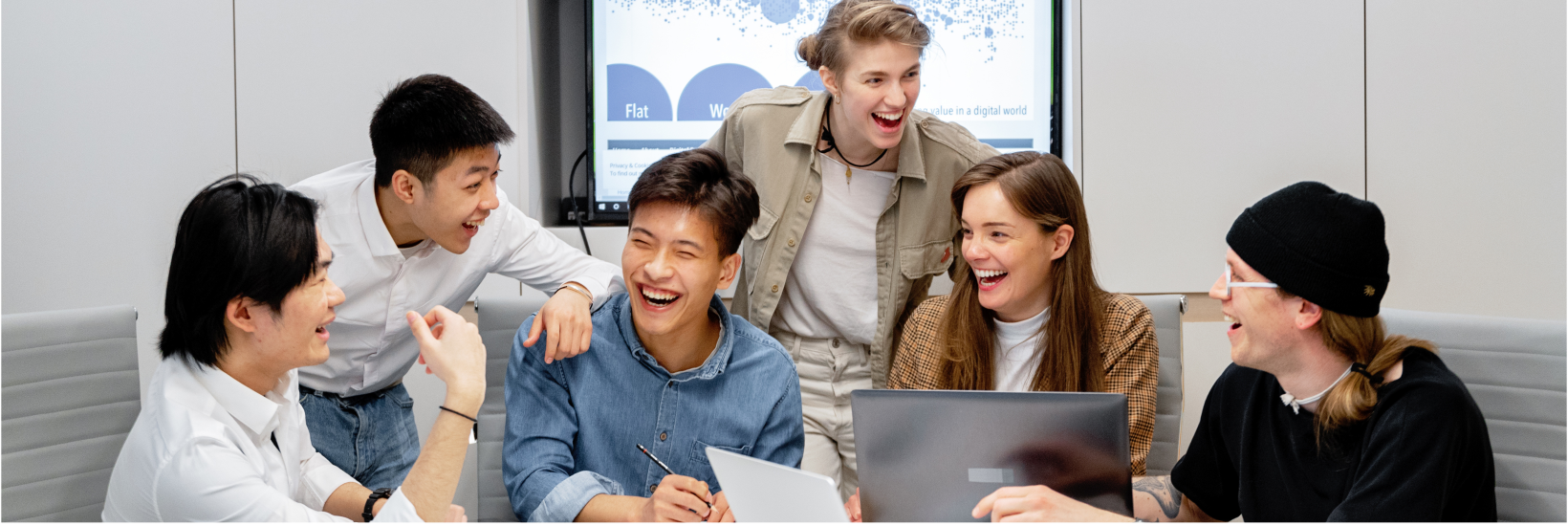
The truth is, your people don’t need more resilience messaging or wellness webinars. They need recognition systems that help them grow stronger through change itself.
According to Gallup, when recognition is authentic and executed effectively, it can reduce voluntary turnover by up to 45% over two years. More importantly, it builds teams not just capable of surviving disruption, but emerging stronger because of it.
The workforce today wants realness, clarity, and room to grow. They’re setting boundaries not because they care less, but because they want their work to matter more.
Recognition that works is simple: authentic, personalized, inclusive, embedded in the culture, and nurturing. It’s time to reset how we think about making people feel valued – starting with understanding the psychology behind what actually drives them to stay, contribute, and thrive.
Ready to close that 40-point gap and build a culture where people want to stick around? Our complete whitepaper dives deeper into the five high-impact recognition habits that actually stick, plus a framework to audit and improve your current approach. Download the whitepaper here.

The Author

Sofia Rueda
Marketing Project Manager
An advocate and contributor to the employee wellness sector since 2018. Sofia became part of Altrum sharing in its commitment to inspire and celebrate individuals. Her dedication extends far beyond the workplace, as she strives to positively impact the well-being of employees through her expertise.