Employee Recognition Program in Manufacturing: Operational VS Mobilizing
March 11, 2026, In Employee Engagement
An operational recognition program marks predefined milestones, like service anniversaries and retirements, which is exactly what Altrum’s gifting tool enables. A mobilizing program, on the other hand, creates lasting behaviour change through manager training and peer-to-peer recognition.
Here’s a quick look at what sets them apart:
| Operational program | Mobilizing program |
| Punctual recognition | Continuous recognition |
| HR-driven | Owned by managers and employees |
| Event-based | Behaviour-based |
| Uniform | Personalized |
Most manufacturing organizations have an employee recognition program. Service awards, certificates, trophies, retirement gifts, the mechanics are in place. And yet, managers forget, employees don’t feel truly seen, and engagement surveys keep pointing to lack of recognition as one of the top irritants.
It’s not a budget problem. It’s not a lack of goodwill either. It’s a structural problem, and above all, a failure to distinguish between two types of programs that have very different impacts.
An Operational Program: Necessary, But Not Enough
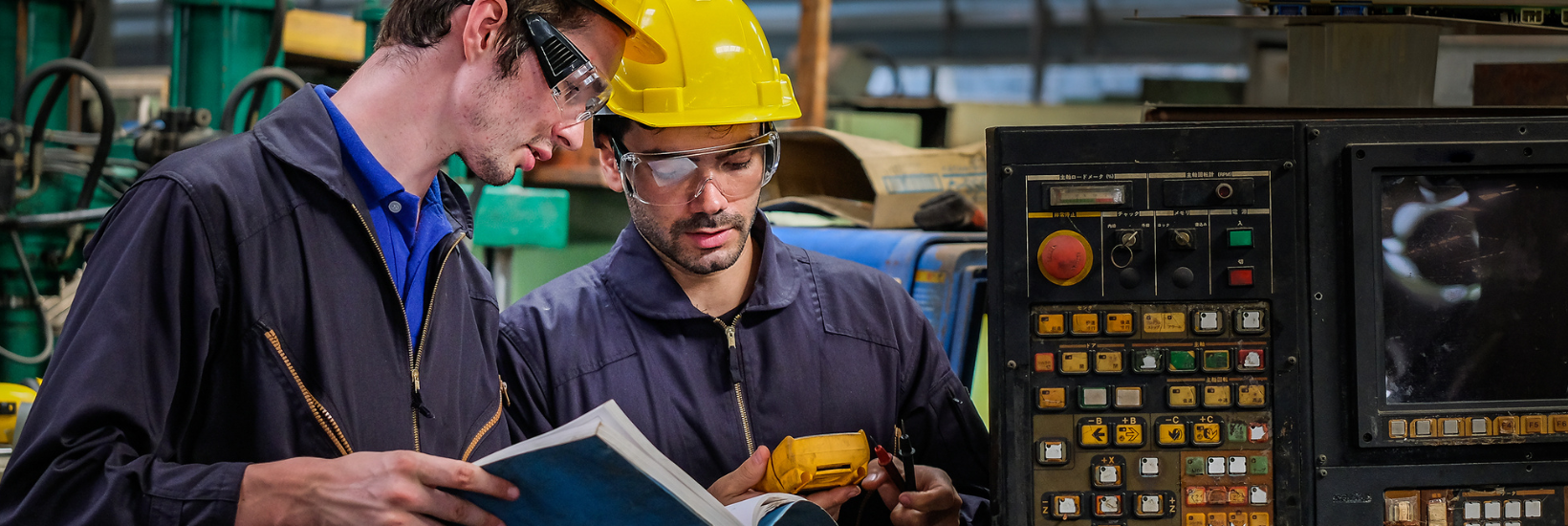
An operational program fulfills an administrative function. It ensures milestones are marked that employees receive a gift at their 5th or 10th anniversary, that retirement is celebrated, and sometimes even personal life events. It’s an important organizational baseline, but it’s not what makes an employee feel valued day to day, nor what motivates a manager to change their habits.
“Marking service awards and life events matters. It shows employees you value their loyalty and their journey. But no one decides to stay with an organization another year just to receive a gift. Recognition needs to happen every day to have a real impact.”—Annie Breton, Recognition Expert, Altrum
In a manufacturing context, this type of program carries an additional structural weakness: it is often centralized at the corporate level, disconnected from the floor, and difficult to relay consistently from one site to another. The result: some employees receive their recognition on time; others fall through the cracks.
A Mobilizing Program: What Actually Changes
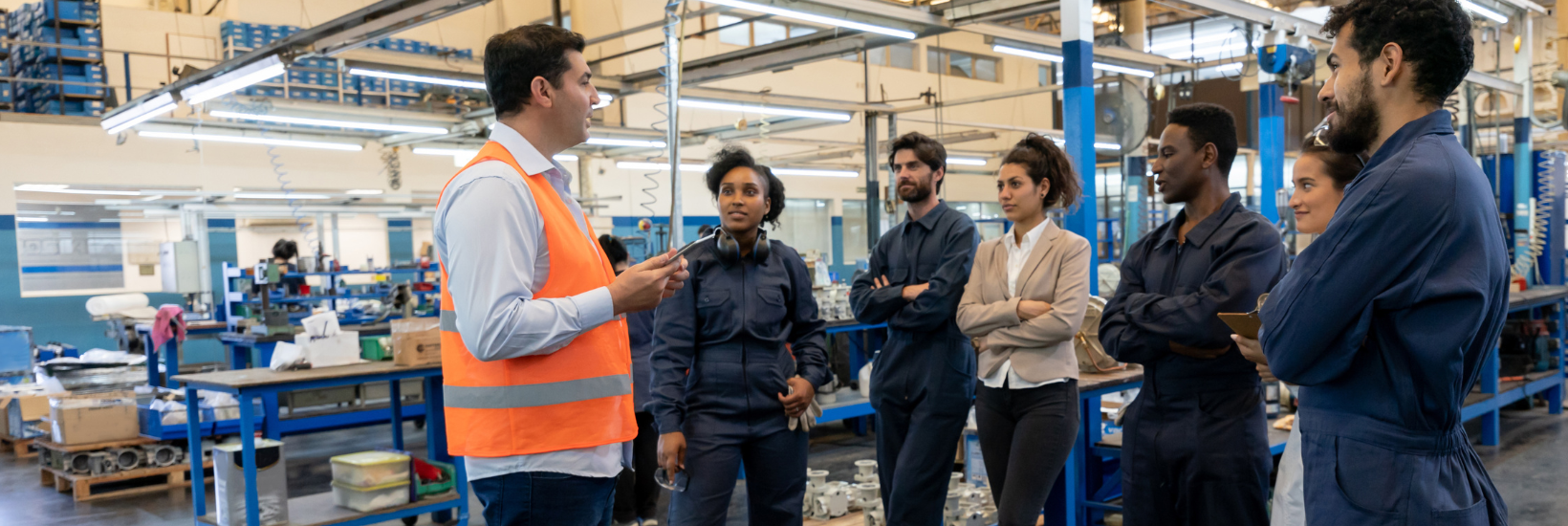
A mobilizing program doesn’t just check boxes. It is designed to create real behaviour change among managers, peers, and across the organizational culture as a whole.
The data backs it up. According to Gallup, organizations where employees receive quality recognition at least once a week see a 24% improvement in work quality and a 27% reduction in absenteeism. And according to Bersin by Deloitte, organizations with a strong recognition culture have a voluntary turnover rate 31% lower than those without one.
This isn’t recognition for recognition’s sake. It’s a concrete lever for retention and engagement.
Operational VS. Mobilizing: 4 Key Differences
1.Punctual vs. embedded in culture
An operational program recognizes predefined events. A mobilizing program integrates recognition into daily life, during floor walks, team meetings, shift changes. It stops being an exceptional moment and becomes a regular practice.
2.HR-centralized vs. owned by managers
When recognition comes only from corporate HR, it loses proximity and impact. According to Gallup, 28% of employees cite their direct manager as the most memorable source of recognition, ahead of senior leadership and colleagues. Frontline managers directly shape the employee experience. Training and equipping them to recognize effectively isn’t a nice-to-have, it’s the heart of the program.
This is exactly what Nortera, a food producer with over 3,000 employees across 13 plants, experienced. After enrolling 100 managers in the Orange Program, the results were measurable: several managers integrated recognition into their daily floor walks, and recognition scores in internal surveys rose 0.3 to 0.4 points above the comparative market benchmark.
As Oriane Tisseyre, Total Rewards Coordinator at Nortera, puts it:
“There are so many things that can cause an employee to leave their job, but if the relationship with their manager and colleagues is good, then the chances of them deciding to stay with the company are better.”
Discover how they transformed their culture across 13 sites.
3. Event-based vs. behaviour-based
Recognizing only service anniversaries means recognizing tenure, not the behaviours you want to encourage. A mobilizing program ties recognition to organizational values: safety, quality, initiative, teamwork, etc. It sends a clear signal about what matters in your organization. According to an article, 90% of employees say that receiving peer recognition anchored in company values makes them more satisfied at work.
4.Uniform vs. personalized
An operational recognition program tends to be fairly standard: everyone receives the same type of gift, accompanied by an impersonal thank-you message. It doesn’t account for individual employee preferences—whether in form (public or private, verbal or written) or in the gift itself. According to Gallup, only 10% of employees say they have been consulted about their preferences, meaning the vast majority receive recognition that misses the mark.
A mobilizing program addresses this at two levels: the form of recognition (public or private, verbal or written, individual or collective) and the gift itself, which should reflect the employee’s personality and interests rather than being identical for everyone.
What it Takes in Practice

Moving from an operational program to a mobilizing one doesn’t happen overnight. It requires defining what success looks like for your organization before choosing your tools. It requires involving your employees and training your frontline managers, not with a two-hour theoretical session, but with a short, practical approach spread out over time. It also requires accepting that recognition cannot be fully centralized in a multi-site context: it needs to be decentralized, but structured.
“An organization doesn’t need to transform everything at once. Start by assessing the current situation and identifying improvement opportunities, the quick wins with the most impact. Then build a plan based on your objectives and budget to create momentum and progress step by step.”—Annie Breton, Recognition Expert, Altrum
The specific challenge of building a program that works on the plant floor, across multiple sites, with employees who sometimes don’t have email access, is what we explore in depth in our practical guide.
In summary
The difference between an operational program and a mobilizing one isn’t measured by budget invested or platform used. It’s measured by real impact on behaviours, engagement, and retention.
In a manufacturing context, where teams are spread across multiple sites, shifts rotate, and managers are under constant pressure, this distinction is even more critical.
The good news: moving from an operational program to a mobilizing one is within reach. It starts with a few structural decisions: defining what you want to encourage, equipping your managers, and adapting recognition to the reality of each of your sites.

The Author

Alexandra Thibaudeau
Marketing Project Manager
Passionate about the world of communications and marketing, Alexandra joined the Altrum team in 2023 with nearly 8 years of solid experience in the field. She implements innovative strategies and creates customized tools to help companies inspire and celebrate their employees.